If you plan the job well and invest in the right moments, a tight budget can still deliver a home that feels tailored and durable. The trick lies in understanding which elements drive long-term value, where you can substitute without losing performance, and how the home remodeling process actually unfolds once a crew shows up. I have sat at kitchen tables with couples who want the moon and also need to keep their payments steady, and I have walked through homes five years later to see which decisions aged gracefully and which did not. This guide distills those lessons into practical advice you can use whether you are hiring a trusted remodeling company for a full home renovation or coordinating a few interior updates with a local home improvement contractor.
The Budget You Build Before You Build
Most homeowners undercount the invisible work. Structurally, a wall removal with a flush beam, electrical panel upgrades to support a modern kitchen, or moving plumbing for a tub to shower conversion can easily consume 20 to 40 percent of a project budget. That money never appears on Instagram, but it prevents leaks, trips, and future rework. When planning a home remodel, I recommend setting three numbers: a must-have budget, a target budget, and a hard stop. The must-have covers critical fixes and function. The target includes design choices that bring joy. The hard stop protects your savings when surprises show up.
Contingency matters as much as cabinets. For older homes, a 15 percent contingency keeps you out of panic when a joist is rotten, the subfloor is out of level by a full inch, or the asbestos tile under the laundry room demands abatement. In newer homes, you might trim that to 8 to 10 percent, but do not drop it to zero. A residential remodeling company that urges you to keep a modest contingency is doing you a favor.
Where to Splurge for Lasting Value
I am not talking about gilded fixtures or signature appliances. Splurging wisely means investing in systems and surfaces that carry the load, get daily wear, and cost more to redo later.
Structure and envelope. If your home needs a beam to open the kitchen to the family room, do it now. Overspec the size a bit to reduce bounce and cracking. When exterior work is on the table, step up to durable siding and proper rainscreen details. Water is relentless. Spending a few thousand more on flashing tapes, kick-out flashing, and rot-resistant trim saves five figures in repairs later. Quality home remodeling starts by keeping the skeleton dry.
Electrical and lighting. Kitchens and baths drive electrical demand. Upgrading the panel to 200 amps, running dedicated circuits where the code expects them, and installing bright, well-planned lighting gives you a house that works. I have watched homeowners cut can lights to save a few hundred dollars, only to spend more on underpowered lamps that never reach the counters. A purposeful plan with general lighting, task lighting, and a few accent points makes every finish look better.
Mechanical upgrades. If you touch more than one room, it is worth a home remodeling consultation about your heating and cooling capacity. Heat pumps have matured. They deliver efficiency with fewer surprises, and rebates can soften the upfront price. Ductwork corrections, air sealing, and improved filtration make kitchens less greasy and bedrooms more comfortable. Mechanical work is not glamorous, but it changes daily life.
Cabinet boxes and drawers. In kitchens, prioritize cabinet construction, not door style. Plywood boxes, full-extension soft-close hardware, and well-built drawers hold up under decades of use. You can always paint doors down the road or replace fronts for a fresh look. Cheap boxes sag and fail at the hinges. A kitchen remodeling company that recommends a midgrade, durable cabinet line with a lifetime hardware warranty is pointing you toward the smart splurge.
Stone in the right place. A single slab island withstands family life and protects resale, especially if it doubles as homework table and buffet. Quartz keeps maintenance low. Natural stone adds character. Either way, a clean, durable surface pays you back every day. For perimeter runs or the laundry room, you can relax the spec.
Where to Save Without Regret
Saving does not mean settling. It means choosing alternatives that deliver similar function, simpler maintenance, or flexible design at a lower cost.
Flooring in low-traffic areas. High-traffic zones like kitchens, entries, and stairs deserve tough surfaces. Secondary bedrooms and home offices can use cost-effective carpet tiles or midgrade luxury vinyl plank to free up funds for more critical upgrades. If you must unify the whole floor, choose an LVP with a thick wear layer and a restrained pattern. A good installer will handle transitions cleanly.
Plumbing fixtures at midgrade. You do not need the flagship line. Trusted brands have second-tier fixtures that share valves and internal parts with the premium models. You still get reliable operation and easy repairs. In showers, spend on a quality mixing valve and skip the body sprays. In kitchens, stay with metal bodies and ceramic cartridges, and avoid gimmicks that add cost without function.
Tile choices. Labor drives tile budgets more than material. A classic layout with a simple field tile and a single accent band costs far less than complex patterns. In many bathroom renovation services, we spec a clean 3 by 12 ceramic tile stacked neatly with tight grout lines. It looks modern, cleans easily, and lets you put funds toward a niche, a bench, or a glass door that fits perfectly.
Appliance strategy. Unless you love to cook and truly use pro features, midline appliances with a solid reliability record make sense. Induction ranges are worth a look for safety and responsiveness. A panel-ready dishwasher looks lovely, but a quiet stainless model with a third rack does the job without inflating the bill.
Interior doors and trim. Doors, casings, and baseboards add style, but you can achieve a refined look with paint-grade materials and careful installation. Spend a little more for taller baseboards and a consistent profile throughout. Save by keeping stock heights on interior doors and choosing simple, timeless casings.
The Levers That Matter Most: Layout, Light, and Storage
A home renovation company can swap finishes all day, but real gains come from better circulation, light, and built-in storage. Those three guideposts often do more for quality of life than any single product choice.
Layout first. In kitchens, the work triangle still has a point, but the modern approach focuses on zones: prep, cook, clean, and serve. Move the dishwasher directly next to the sink, pull trash and recycling into a double bin at the prep zone, and leave a landing space near the refrigerator. A kitchen remodeling company that listens will sketch traffic flows and prevent the classic conflict where the oven door blocks the only path to the sliding door.
Light across the day. In whole home remodeling, study how the sun moves. You might choose to add a window on the east side for breakfast light and keep media glare down in the west-facing family room. Small changes like a larger window over the sink or a new skylight tube in a dark hall cost less than full additions and change the mood entirely.
Storage you will actually use. Custom home remodeling does not have to mean custom everywhere. Specify a few custom pieces where they matter: an entry bench with shoe cubbies, a pantry with pull-outs scaled to your containers, or a laundry cabinet that hides detergents and a fold-down hanging rod. In kids’ rooms, open shelves beat deep closets that become black holes.
Choosing the Right Partner for Your Budget
Whether you are interviewing professional home remodelers for design build remodeling or hiring remodeling contractor services for a smaller scope, pick a team that talks openly about trade-offs. Ask how they value-engineer without cutting corners. Ask for two or three price alternatives for major line items and have them explain the differences beyond the brand name.
A home remodeling company that starts high-end kitchen remodel with a thorough site visit will look at crawlspaces, exterior drainage, and attic ventilation, then rank issues by urgency. They will warn you when a low-cost fix will sabotage a future phase. For example, installing new floors before dealing with a sagging beam invites cracked grout and open gaps. A trusted remodeling company will also show you how their home remodeling process handles selections and ordering so lead times do not derail your schedule.
Design build remodeling teams often deliver better predictability because the designer, estimator, and project manager sit at the same table. Not always, but often. If your budget is tight and you need clarity, that integration helps because changes get priced quickly and you avoid surprises.
The Kitchen: Smart Places to Invest and Economize
Kitchens absorb a big slice of any full home renovation. The decisions you get right here ripple through your daily routine.
Splurge on function. Deep drawers instead of lower cabinets reduce bending and keep pots accessible. Soft-close hardware is not a luxury, it is durability. If you plan an island, size it so at least 42 inches of clearance surrounds it. Tighter aisles feel crowded and create collision points. Lighting needs three layers: recessed or low-profile ceiling fixtures for ambient light, under-cabinet LEDs for counter work, and a pair of pendants over the island. Good lighting flatters finishes and prevents shadowy corners where you chop vegetables.
Save on finishes without feeling like you settled. Shaker doors painted in a neutral tone remain popular for a reason. They bridge modern home remodeling and traditional styles. Hardware can be swapped later with a screwdriver, so choose a simple pull and upgrade when you want a refresh. For backsplashes, run the countertop material up a few inches to create a clean stop, then add full tile as a future phase if you need to clip the budget today.
A note on ventilation. A powerful hood is only half the story. Ducting should run outside with smooth metal pipe, minimal turns, and a proper cap. Oversized blowers on long, kinked runs just make noise. Ask your home remodeling experts to calculate capture area and airflow based on your cooktop width, then size accordingly. This is one of those behind-the-scenes details that separates quality home remodeling from cosmetic swaps.
Bathrooms: Small Spaces, Big Choices
Bathroom remodeling can become expensive quickly because it packs plumbing, electrical, waterproofing, and finish work into a tight footprint. Plan the sequence carefully.
Waterproofing is the non-negotiable splurge. A well-executed shower requires a continuous waterproofing system from pan to walls, with proper slope and corners that stay tight over time. Pick a system your bathroom remodeling company uses often and stands behind. Saving a few hundred dollars here is a false economy when a pinhole leak runs for months.
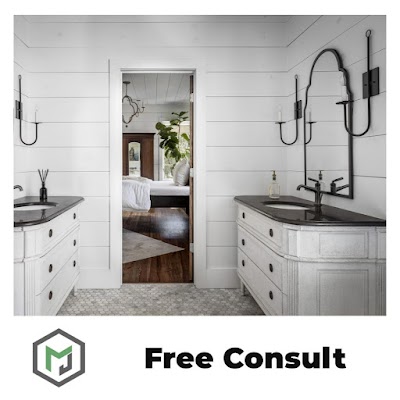
Balance the materials. You can choose a preformed shower base and still achieve a high-end look with clean walls and quality glass. Or if a custom pan matters for accessibility or a specific size, save by keeping wall tile simple and capping the niche with a stone remnant. For vanities, a sturdy stock cabinet paired with a quartz top and a well-made faucet looks and performs like custom at half the price.
Think hard about the tub. If bathing is part of your routine, include a comfortable tub and give it proper surround space. If not, skip it and enjoy a larger shower with a bench and better storage. Real estate agents will debate tubs forever, but in many markets a single tub elsewhere in the house plus a great primary shower beats a cramped combo.
Living Areas and Bedrooms: Comfort First
For interior home remodeling beyond kitchen and bath, focus on comfort, durability, and cohesion. Align door casing profiles and baseboards room to room. Upgrade wall preparation and paint so surfaces look flawless under daylight and lamplight. If you can afford one splurge in living spaces, direct it to windows. Better glazing tames heat gain, reduces street noise, and makes the whole house feel calmer.
If you must split projects, tackle acoustic and thermal improvements early: add insulation in a party wall, seal penetrations, and improve attic ventilation. These are modest line items that deliver immediate comfort and lower utility bills. They also protect the finishes you will add later.
When You Should Not DIY
I admire a careful, skilled homeowner, but not all tasks make sense as weekend work. Structural changes, electrical panel work, gas lines, and tiled showers are best handled by home remodeling professionals. A licensed home improvement contractor knows local code and has the insurance to stand behind the work. If you want to contribute sweat equity, consider demolition under supervision, painting, interior shelving, simple trim, or installing cabinet hardware. Your crew can sequence tasks to keep your help from slowing production.
Sequencing: The Hidden Budget Protector
Even a modest remodel gets messy if the order of work is wrong. The home remodeling specialists who keep projects on track think like chess players.
Rough to finish, clean to dirty, top to bottom. That means framing, mechanical rough-ins, and inspections first; insulation and drywall next; then paint and trim; then cabinets and counters; then tile, flooring, and fixtures. Deliveries need slots on the calendar with space to store them safely. A slab landing without a covered area invites damage. A disciplined home renovation company will stage material arrivals and protect walkways, stairs, and existing floors.
Lead times move the budget needle as well. Custom kitchen remodeling often hinges on cabinet delivery, which can run 6 to 14 weeks depending on the line. Order early, approve shop drawings quickly, and lock selections before framing gets too far. Changes on paper cost little. Changes after rough-ins cost time and money.
Transparency on Costs and Trade-offs
Prices vary by region, but ranges help you think clearly. A hall bath refresh with stock vanity, simple tile, and no layout upscale home remodeling changes might sit in the 15 to 30 thousand range with a professional team, depending on size and local rates. A midgrade kitchen with quality cabinet boxes, quartz counters, new lighting, and a similar layout often lands between 45 and 95 thousand. Projects that move walls, enlarge windows, or require major electrical upgrades climb from there. High end home remodeling with custom millwork, integrated appliances, and unique stone selections can double those figures. The gap between plans and real numbers closes when you get a detailed, line-item estimate that shows allowances for fixtures, tile, and lighting. That is where design choices become budget tools rather than surprises.
Two Quick Checklists for Smarter Budgeting
- Prioritize the invisible: structural integrity, waterproofing, electrical capacity, ventilation, insulation. Lock layout before finishes: moving a sink later costs more than changing a faucet now. Buy quality where rework is painful: cabinet boxes, shower systems, windows, mechanicals. Choose midgrade where technology has leveled: faucets, appliances, LVP flooring, paint. Keep a contingency and a “not now” list: postpone the wine fridge, keep the wiring ready. Questions to ask a remodeling contractor: What is included and excluded in the estimate? Which items are allowances and how are overages handled? How do you sequence trades to protect finished surfaces? What is your warranty and who responds to issues after punch-out? Can you provide two pricing options for the biggest cost drivers?
A Note on Styles That Age Well
Trends sell magazines. Resale and day-to-day living reward restraint. Flatsawn white oak, simple Shaker cabinets, matte black or brushed nickel hardware, and a narrow palette of whites and warm grays create a calm backdrop. Add color with art, stools, and textiles you can refresh for a few hundred dollars. If you love a bold tile, put it in a powder room. If you crave a unique stone, make it the island and keep the perimeter quiet. Strong choices still have a place, but keep them contained so they do not dictate the tone of every other room.
Modern home remodeling often means cleaner lines and fewer fussy details, which also helps the budget. Flat stock trim installed crisply reads as modern and costs less than ornate profiles. Full-height backsplashes look luxurious but can wait. A continuous countertop return behind a range is easier to clean than tile, a point that matters every day.
Real-world Scenarios
A family of four wanted to open their 1980s kitchen and add a mudroom. The home remodeling professionals they hired proposed a flush LVL beam to replace a bearing wall, a small addition for the mudroom, and a new panel to handle a future EV charger. The splurges were the beam, panel, and durable cabinets with drawers. They saved with a stock tile, midline appliances, and paint-grade trim. Final costs came in under target because they skipped glass uppers and used a simple pantry system. Five years later, the cabinets look new, the mudroom keeps the main floor clean, and the electrical panel has capacity for the EV they eventually bought.
Another homeowner faced a cramped primary bath. The bathroom remodeling company suggested removing the tub and building a larger shower with a bench, a niche, and a single fixed glass panel with a swing door. Waterproofing received the bulk of the attention. They chose a preformed base, kept the wall tile simple, and splurged on a vanity top cut from a remnant at the fabricator. Cost stayed in check, and the shower became the feature they use every day.
The Payoff of Thoughtful Choices
Budget-friendly does not mean cheaply built. It means you place your money where it protects the structure, eases daily tasks, and reduces maintenance. A design build remodeling team or a seasoned home improvement contractor can guide those calls, but your clarity about priorities will anchor the plan. Decide what must function flawlessly, what should delight you every day, and what can sit quietly in the background. Document those decisions in a clear scope and keep them steady as the project moves from drawings to dust to final wipe-down.
Whether you are talking to a bathroom remodeling company about a single room or to a home renovation company about a full home renovation, the same principles apply. Splurge on the bones and the parts you touch. Save on fashion. Sequence work properly. Expect surprises and budget for them. That is how quality home remodeling happens on a budget, and it is how you end up with a home that feels intentional rather than improvised.
If you need help sorting options or pricing scenarios, ask for a home remodeling consultation with two designs in parallel: an essential plan and an enhanced plan. A professional team can present the delta between them line by line, then tailor a hybrid that fits both your goals and your wallet. The result is not just a pretty space but a durable, functional home that reflects real life.